ServicesMetal Roofing
Metal Roofing in Callahan, Built From the Deck Up
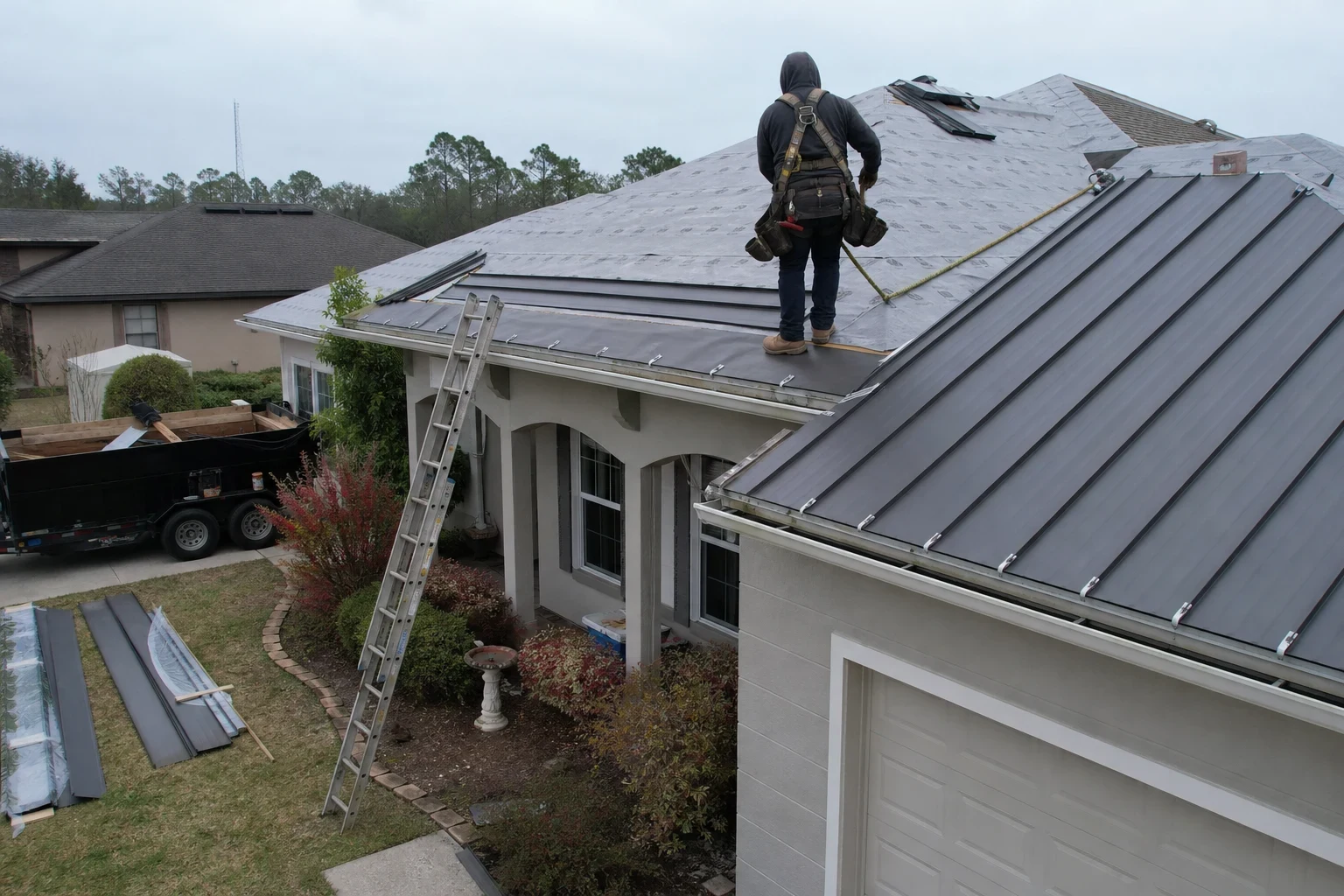
We install standing seam and exposed-fastener metal roofs on homes in and around Callahan. You get a roof that sheds wind-driven rain and reflects summer heat, and a crew that covers your beds and walkways before the first panel comes off the truck.
What a Metal Roof Does Well, and When It Fits
A metal roof is a set of long steel or aluminum panels that run from eave to ridge, locked together at the seams or screwed to the deck. Fewer joints means fewer places for water to get in. A light-colored or coated panel also reflects much of the sun's heat, which helps your attic run cooler through a long Florida summer.
Metal is the right call when you plan to stay in your home for many years, when your shingles keep losing tabs in strong wind, or when you want a roof with very few seams. It is not always the right call. On a low-slope section or a roof with many small valleys and dormers, we will tell you where shingles or another approach makes more sense, and our roof replacement page covers those options.
What Comes With a Metal Roof Install
Stripping and checking the deck
The old roofing comes off down to the plywood or plank deck, and we walk each sheet. Soft, delaminated or rotted spots are marked and photographed, and you see them before we replace anything.
Heat-rated underlayment
Metal runs hot, so the underlayment we use is rated for it. In valleys and along the eaves, where water gathers and backs up, we add self-adhered membrane.
Panels chosen for where you live
Most inland homes do well with Galvalume-coated steel. Nearer the coast, where salt air eats at steel, we discuss aluminum panels and matching fasteners so mixed metals do not corrode one another.
Clips, closures and trim pieces
Standing seam panels fasten with hidden clips that allow the metal to expand and shrink as the day heats and cools. Foam closures fill the ribs at the ridge and eaves to keep out wind and insects.
Flashing around every opening
We fit new pipe boots and chimney and wall flashing made for metal instead of reusing old pieces. Most metal roof leaks start at these spots, so we spend the most time on them.
Daily cleanup with a magnet
Your shrubs and driveway stay tarped for the whole job. Each evening we pick up metal scraps and sweep the yard with a magnet for screws and cut-offs.
When a Metal Roof Makes Sense to Consider
- Tabs blowing off in every storm
- Finding shingle tabs on the lawn after each windy day means the seal strips have failed. Locked-seam panels have no tabs that can lift.
- Gutters filling with granules
- When granules wash off in quantity, the asphalt below is baking in the sun. Those shingles are close to done, which makes it a good moment to weigh other materials.
- Loose screws on an aging metal roof
- On exposed-fastener roofs, the rubber washers dry and crack over time, and screws work loose as the panels shift. Every loose one turns into a small leak.
- Rust along laps and cut ends
- Red rust at panel overlaps or cut edges tells you the coating is gone. Spot fixes can hold for a while, but rust across the roof usually means new panels.
- Upstairs rooms that bake in summer
- Dark shingles soak up heat and send it into the attic. A reflective metal finish, along with good ridge and soffit vents, can ease some of that load.
The Steps of a Metal Roof Job
- 1
Your free estimate
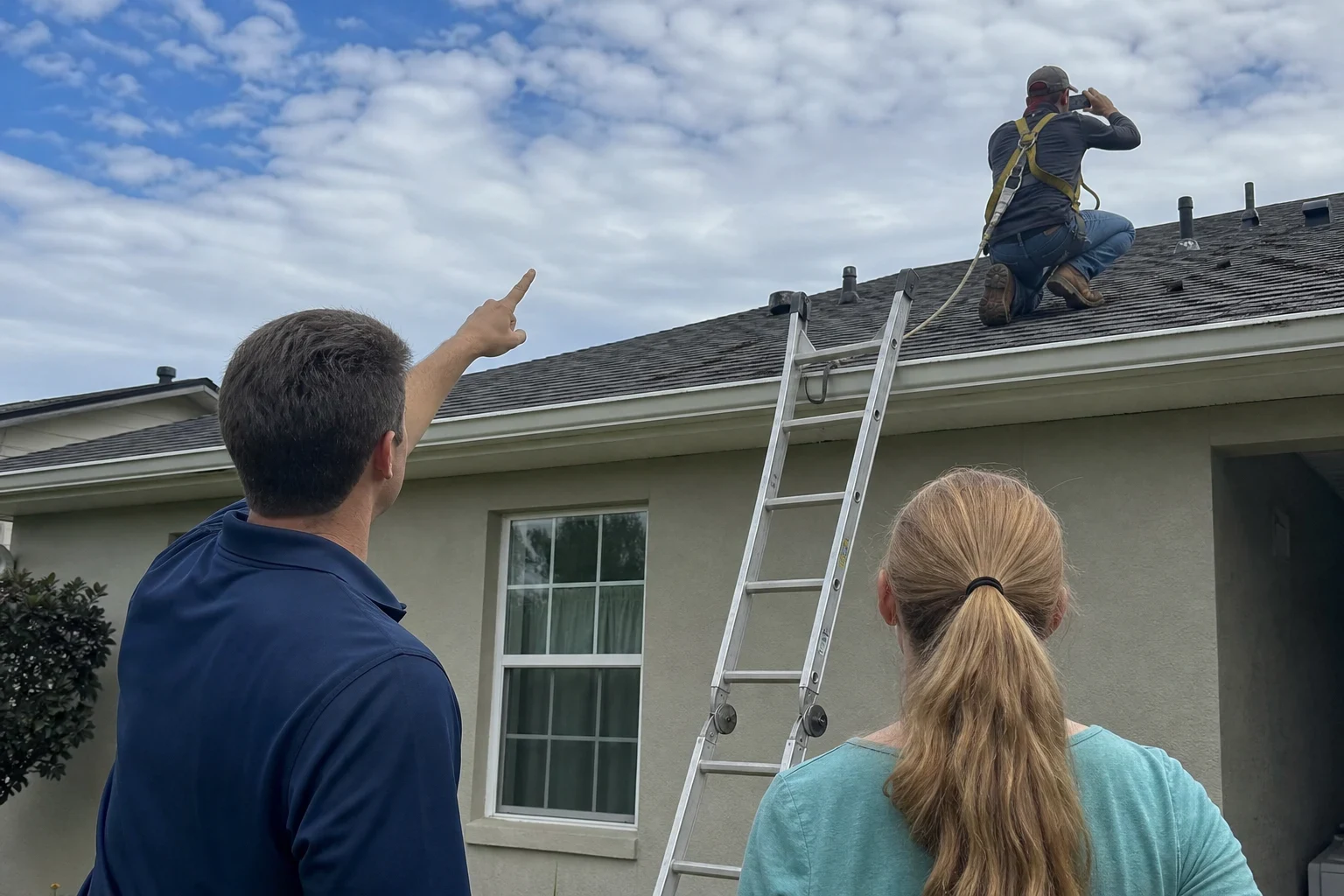
We measure, check the deck from the attic when possible, and note the pitch, valleys and openings. Then we walk you through panel type, gauge and color and why each one matters.
- 2
Permit and ordering
We get the building permit and order panels cut to your roof's lengths. You receive a start date and a short list of things to move, like cars and patio furniture.
- 3
Cover, strip and seal
Beds, walkways and the AC unit get tarps and plywood. We tear off one section at a time and lay underlayment over each bare spot before stopping for the day, so a passing shower never reaches the deck.
- 4
Panels, trim and flashing
Panels are set with clips or screws spaced to meet the wind rating. Ridge cap, closures and flashing at each opening complete every slope.
- 5
Final walk and inspection
We tour the roof and yard with you, show you the details, and meet the inspector for final approval.
What Sets the Price of a Metal Roof
A metal roof costs more at the start than shingles, and prices between two metal roofs can differ a lot. Most of that comes from the panel system, your roof's shape and the condition under the old roofing. Your free estimate is itemized so you can see what each part pays for, and financing is available to spread out the cost.
- Hidden or exposed fasteners
- Standing seam needs more labor and trim, but its fasteners stay out of the weather. Screw-down panels are cheaper, and their screws need checking as the years go by.
- Steel thickness or aluminum
- Heavier steel holds up better against dents and oil canning. Aluminum is pricier but stands up better to salt air.
- Shape and steepness
- Each valley, hip and dormer adds cutting and flashing. A steep slope needs more safety setup and slows the crew.
- State of the deck
- Any soft or rotted plywood comes out before panels go on. We only know how much once the old layers are off, so the estimate gives a fixed price per replacement sheet, and we photograph each board we change so you can see the reason.
Common Questions About Metal Roofs
- Will rain sound loud on a metal roof?
- Installed over a solid deck and underlayment, it sounds about like shingles to most people. The loud drumming people think of comes from metal screwed over open purlins, as on a barn. Our installs go over full decking, which softens the sound.
- Will metal draw lightning to my house?
- No. Lightning goes for the tallest thing around, and roofing material has nothing to do with it. And if a strike does hit your home, steel panels will not catch fire the way asphalt shingles or wood shakes can.
- Can metal go right over my shingles?
- Code sometimes permits it, but we generally recommend against it. Laying over shingles conceals rotted decking, holds in moisture and makes proper wind fastening difficult. Removing the old layers lets us replace any soft wood before the metal goes down.
- What is oil canning, and should I expect it?
- Oil canning is a waviness you can see in the flat areas of a panel, caused by stress in the metal. Thicker gauges, striated or ribbed panels and the right clip spacing cut it down. We bring samples so you know what you will see.
- How long will installation take?
- That depends on the roof's size and complexity, along with weather and when inspections fall. You get an expected range at the estimate, and we keep you posted if rain shifts the schedule.
Talk Through Metal for Your Home
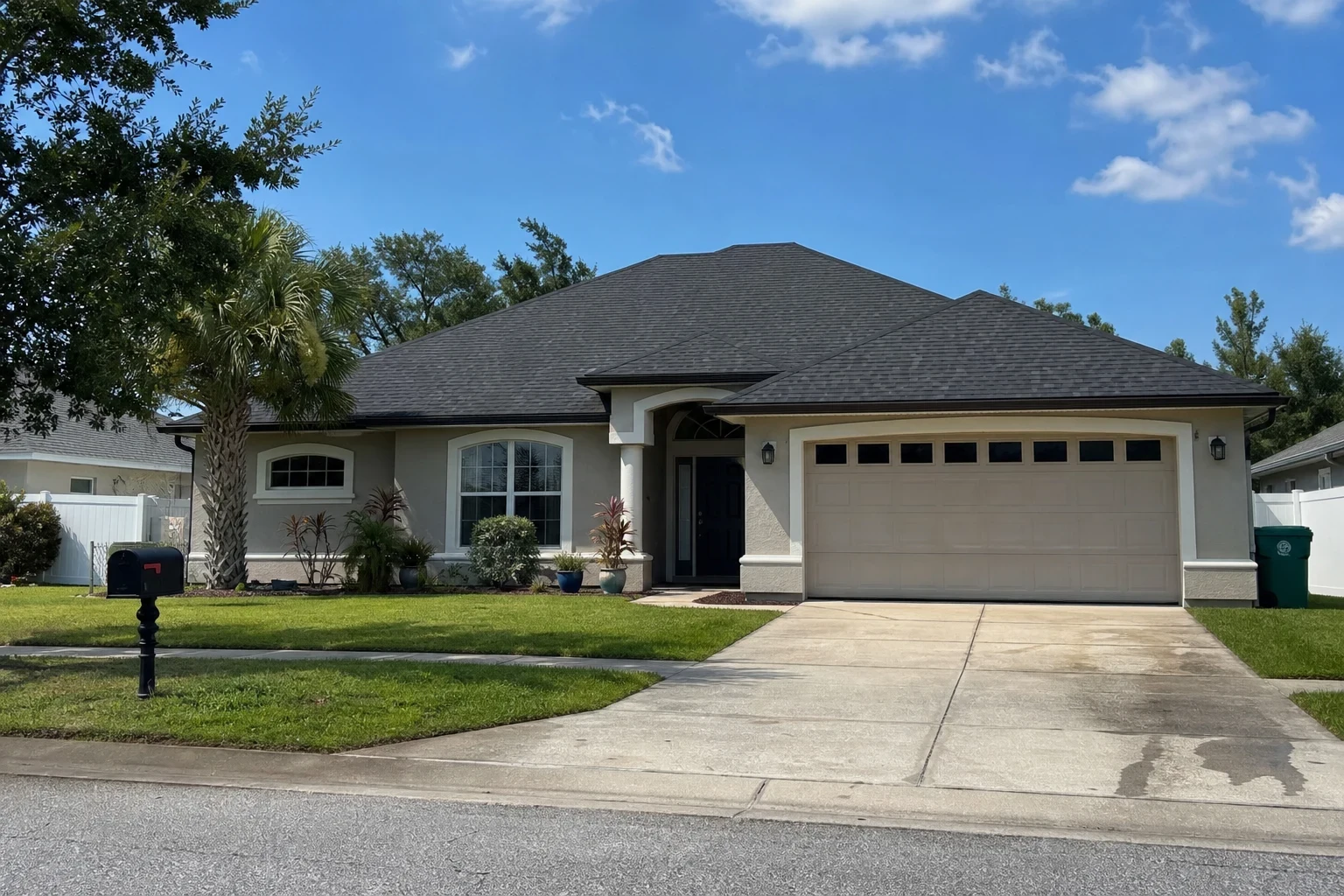
We will look at your roof, explain which panel and finish fit it, and leave your yard as tidy as we found it. The estimate costs you nothing.