ServicesRoof Replacement
Roof Replacement in Callahan, Built From the Deck Up
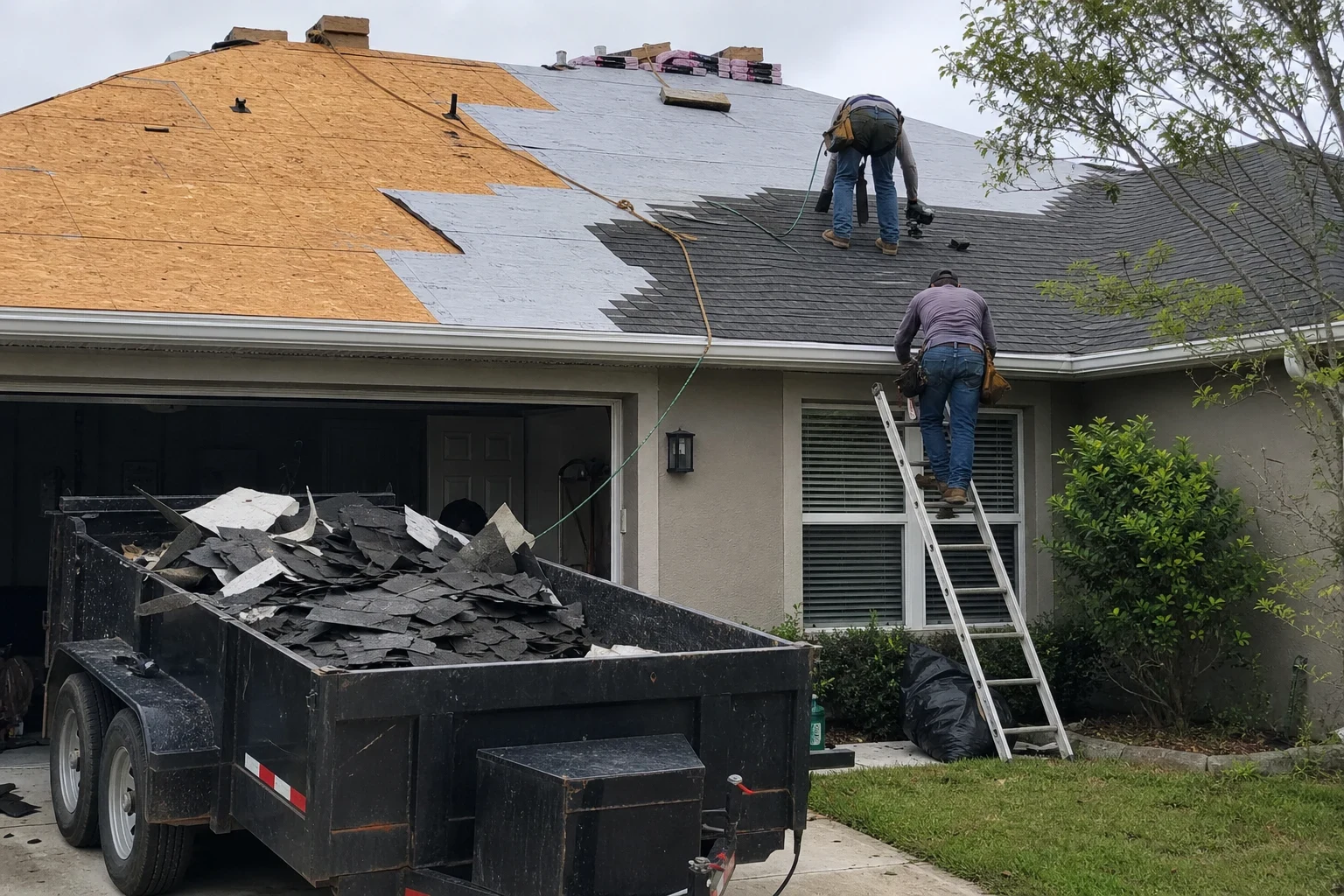
We strip your old roof to the plywood, replace soft decking, and install new underlayment, flashing and shingles or metal to Florida wind code. Your beds and shrubs are covered before the first shingle comes off, and you hear from us at the end of each day.
How to Tell a New Roof Is the Answer
Replacement makes sense when the wear covers the whole roof instead of one area. Here, strong sun and humidity strip granules off asphalt shingles, the asphalt beneath dries out and cracks, and the seal strips holding each tab let go. When that is true on most slopes, patching one spot just moves the leak to the next tired shingle.
If the problem is limited to a few shingles, a single pipe boot or a short stretch of flashing, our roof repair page explains that option, and we will tell you straight which your roof calls for. If you need a new roof, you get a written estimate broken out line by line, and we go over it together: materials, the decking allowance and how we protect your home while we work. Financing is available.
What a Replacement Includes
- Old roof stripped to bare plywood
- Shingles, old felt and every nail come off until only the sheathing is left. Bare wood is the one place rot, delamination or past water damage can't hide, so we see it before anything new goes down.
- Decking inspection and replacement
- We walk the deck and probe soft spots around valleys, chimneys and the eaves, where water sits longest. Damaged sheets are cut out and replaced, and the deck is renailed to the pattern the Florida Building Code requires for wind uplift.
- Underlayment and secondary water barrier
- The whole deck gets a synthetic underlayment, and valleys, pipes and other penetrations get a peel-and-stick membrane on top of it. If a hurricane tears shingles away, that layer is what stands between the rain and your ceiling.
- New flashing, drip edge and vents
- We replace step flashing, pipe boots and drip edge rather than reusing tired metal. Ridge or box vents are sized to the attic so heat and moisture can escape.
- Shingles or metal, installed to wind rating
- Architectural shingles are set with the manufacturer's high-wind nailing pattern. If you are weighing a longer-lasting option, our metal roofing page covers standing seam and exposed-fastener panels.
- Cleanup and magnetic sweep
- Debris goes straight into a dumpster or trailer, not across your lawn. We run a magnetic sweeper over the driveway, beds and grass before we leave.
Signs Your Roof Is Due for Replacement
Granules in the gutters
Piles of sandy grit at downspouts mean the shingles are losing their UV shield. Bare asphalt ages fast in Florida sun.
Curling or cracked tabs
Edges that cup upward or split across the tab show the shingle has dried out. Wind gets under them easily.
Leaks that keep moving
A leak gets fixed, and a season later a stain shows up in a different room. That pattern means the underlayment and seal strips are giving out across the roof, and repairs cannot keep pace with it.
Sagging rooflines or spongy spots
A dip between rafters or a soft feel underfoot points to wet, weakened decking. Our roof inspections can confirm it from the attic and the surface.
Shingles missing after every storm
When ordinary afternoon thunderstorms keep pulling tabs loose, the seal strips have quit. Storm damage repair can handle a single event, but repeated loss means the roof is done.
What Drives the Cost of a Replacement
Your number comes from the measured slopes and the condition of what is under the shingles, so we don't quote a roof over the phone without seeing it. The written estimate lists each item separately, and you can ask about any line. These are the biggest swings.
Size and pitch
Total square footage sets material quantity. Steeper roofs need extra safety setup and take longer to work.
Layers and decking condition
Two old layers mean more tear-off labor and disposal. The amount of rotted plywood is only known once the deck is exposed, so we list a per-sheet price up front.
Material choice
Architectural shingles and metal panels differ in cost and in lifespan. We compare both on your roof if you ask.
Complexity and penetrations
Valleys, dormers, skylights and chimneys each add flashing work and time.
Insurance involvement
If storm damage triggered the replacement, we work directly with your insurance adjuster on the claim. Your policy and deductible still decide what you owe.
How the Work Goes
- 1
Estimate and permit
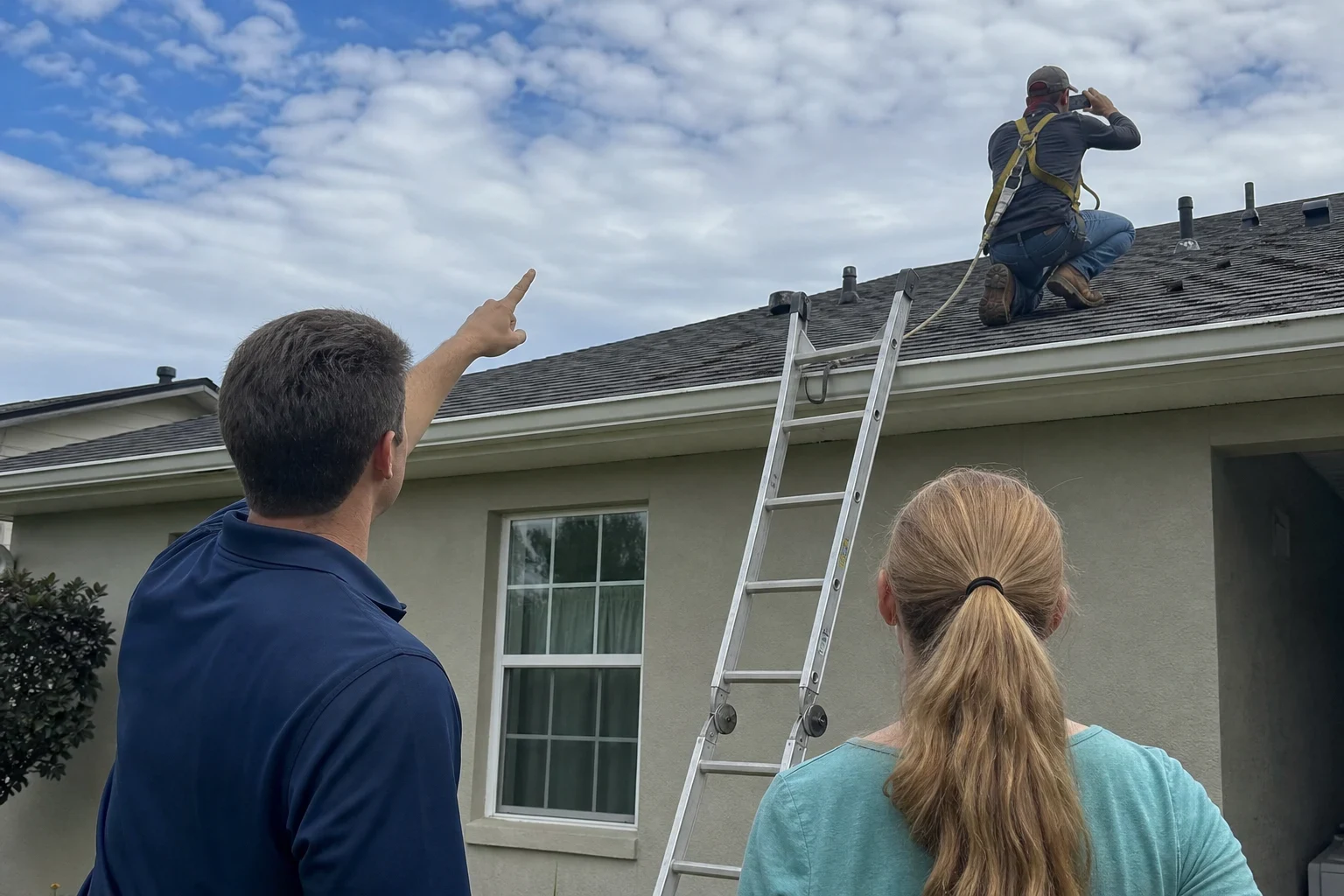
We measure every slope, check the attic and give you a written estimate. Once you approve it, we pull the reroof permit and confirm your start date.
- 2
Protecting your property
Before tear-off, we tarp flower beds and shrubs, lean plywood against the AC unit and windows near the work, and set the dumpster where it will not crack your driveway edge. If we need attic access, we lay drop cloths from the door to the hatch.
- 3
Tear-off and deck repair
We remove the old roof one section at a time so no area sits open longer than needed. Bad decking is replaced and we photograph what we found so you can see it.
- 4
Installation and inspection
Underlayment, flashing, vents and the new roofing go on, followed by the required inspection. You get a call at the end of each day with progress and anything we found.
- 5
Final cleanup and walk-through
A magnetic sweeper goes over the driveway, lawn and beds, and shingle grit and stray nails come out of the gutters. Then we walk the finished roof with you and answer whatever questions you have.
Questions About Getting a New Roof
Does someone need to be home while you replace the roof?
No, but we need to be able to reach someone by phone. Nearly all the work is outdoors. We call at the close of each day and before changing anything in the plan, like adding decking.
How long does my roof sit open?
We only tear off what the crew can get under underlayment by the end of the day, so the house is closed up every night. When afternoon storms begin to build, we stop stripping and seal the open area first.
Could the new roof go on top of my current shingles?
We advise against it. A second layer covers up the deck, adds weight and can change how well the new shingles seal and hold in wind. Tearing off down to the deck is the right way to do the job.
Will my plants and beds get hurt?
Beds and shrubs get tarped before tear-off, and debris goes into a trailer or dumpster instead of onto your plants. If anything delicate sits near the eaves, point it out at the estimate and we will work around it.
Do you offer financing?
Yes. We can walk through financing at your free estimate so you know your options before you decide.
See What a New Roof Would Involve
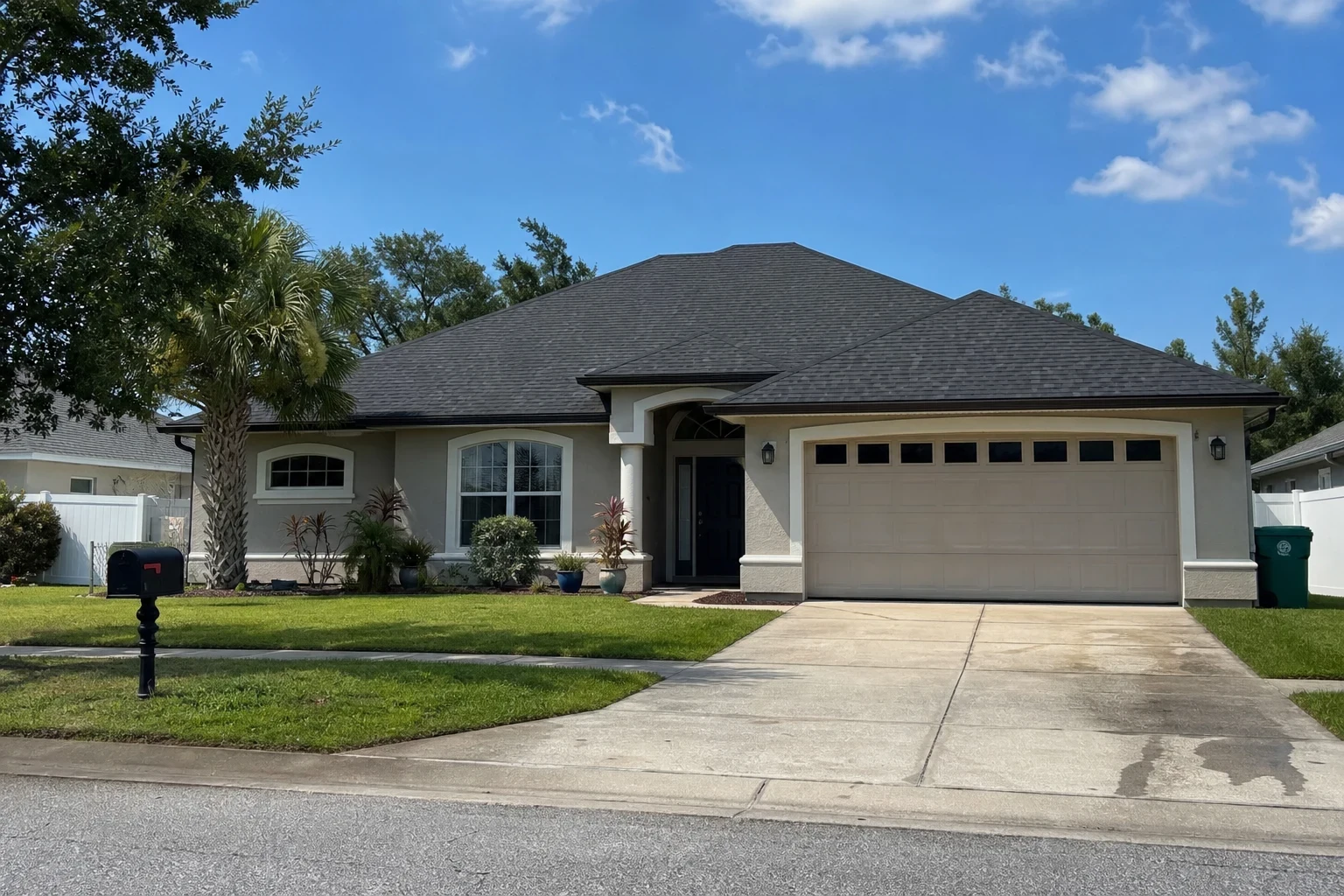
We will measure your roof, check the attic and decking, and walk you through a written, line-item estimate at no cost. You will also know exactly how we plan to protect your yard and keep you updated.